
Love & Relationships · Webinar
Love & Relationships
What is love—and why do relationships that begin with it end in divorce or separation?
What is marriage ultimately for?
Why does relationship pain run so deep, yet remain so unseen?
On this short journey on earth, what can love teach us about ourselves?
An invitation to examine love through purpose, conscience and the bonds we build—within marriage, family, friendship and work.
Send a WhatsApp message
Peter’s “hidden No. 1” challenge
The hidden cost
of broken trust.
 What remains unseen?
When lasting trust and harmony break down, what is the price we fail to see?
For Peter, the consequences reach beyond pain, regret and suffering. He asks us to consider the hidden price in our health, career and future—and the emotional toxicities we may have learned to carry. These questions concern every form of relationship, from marriage and family to friendship and work.
- Invisible “sickness”
- Peter’s metaphor for the unseen pain, regret and suffering that can accompany the loss of trust and harmony.
- Invisible price & risk
- What might broken trust cost us—in our health, career or future? Peter asks us to look beyond the immediate hurt.
- Invisible EQ toxicities
- Resentment, jealousy, fear and control: emotional patterns that can keep the same disharmony returning.
Six areas to explore
From what remains hidden to what we can understand, practise and become.
01 Marriage & oneness: the ultimate purpose
Two lives.
One shared purpose.
What gives a marriage roots beyond attraction, a shared home or the decision to start a family?
Peter explores marriage as a “bond of oneness” in mind, heart and soul. Shared values and a meaningful life mission give two people a direction to grow towards, through difficulty and change.
That purpose reaches into responsibility, contribution and service: the kind of life we choose to build, and what we hope to give through it.
 What are we growing together?
02 Diagnose the cause, not the symptoms
The argument is visible.
The root may not be.
A familiar argument can return under a different subject. Peter’s inside-out enquiry asks us to trace what keeps repeating: our expectations, ego, fears, past wounds and automatic reactions. Honest self-audit begins with what we bring into the relationship, and which choices are ours to change.
What we see
Recurring conflict
- Fear
- Ego
- Expectations
- Past wounds
03 Address the main rotting roots
Work where
the conflict begins.
Recognising a pattern is the beginning. What will stop us feeding it?
Peter’s “main rotting roots” approach moves the enquiry from identifying a cause to changing the attitudes, habits and responses that keep it alive.
Question the intention
Examine the ego, fears or expectations driving the way we act.
Change the response
Bring sincerity, patience and responsibility to the moment a familiar reaction begins.
Sustain the practice
Return to these choices in ordinary situations, giving understanding a place in daily conduct.
 Understanding becomes care.
04 Compassion, not sympathy
Beyond sympathy.
Compassion in action.
What does compassion ask of us beyond feeling sorry?
Explore a response grounded in understanding, patience and a willingness to help. Peter invites us to examine the intention behind our care: are we trying to understand another person’s experience, or responding from our own assumptions?
05 Inside-out self-empowerment
Knowing is one thing.
Living it is another.
Peter’s approach to correct inside-out self-empowerment begins with honest self-examination, conscience and personal responsibility. Emotional intelligence (EQ) and spiritual intelligence (SQ) take shape in our own perceptions, choices and conduct.
Slow the inner pace
Peter introduces mindfulness-silence and three minutes of deep breathing: a pause to examine what we feel before choosing how to respond.
Let conscience guide
His SQ173 framework connects timeless principles with virtues such as sincerity, patience, gratitude and contentment—a compass for everyday conduct.
Give love substance
Listen without interrupting. Speak without accusing. Answer honestly. Honour commitments. These are among Peter’s twelve keys for love and oneness.
Inspire ourselves first. Then others.
06 Indispensable joy & gratefulness
Joy is indispensable.
So is gratefulness.
What do we still cherish? What have we begun to take for granted?
Peter places joy and gratefulness at the heart of a meaningful life. Reflect on what we have received, how we express appreciation, and the willingness we bring to the way we treat one another.
Cherish. Appreciate. Give.
Our short journey on earth
Who are we becoming
through the way we love?
Our intentions, choices and habits shape what we nurture.
Through Peter’s lens of sowing and reaping, relationship experiences invite us to learn, relearn and examine ourselves. Pain and mistakes can prompt a deeper search for meaning, conscience and spiritual discovery.
In this short life, what are we cultivating? What can we give through greater sincerity, compassion, fairness and service?
- 01
Intention
What we hold within
- 02
Practice
What we choose each day
- 03
What grows
The life we nurture
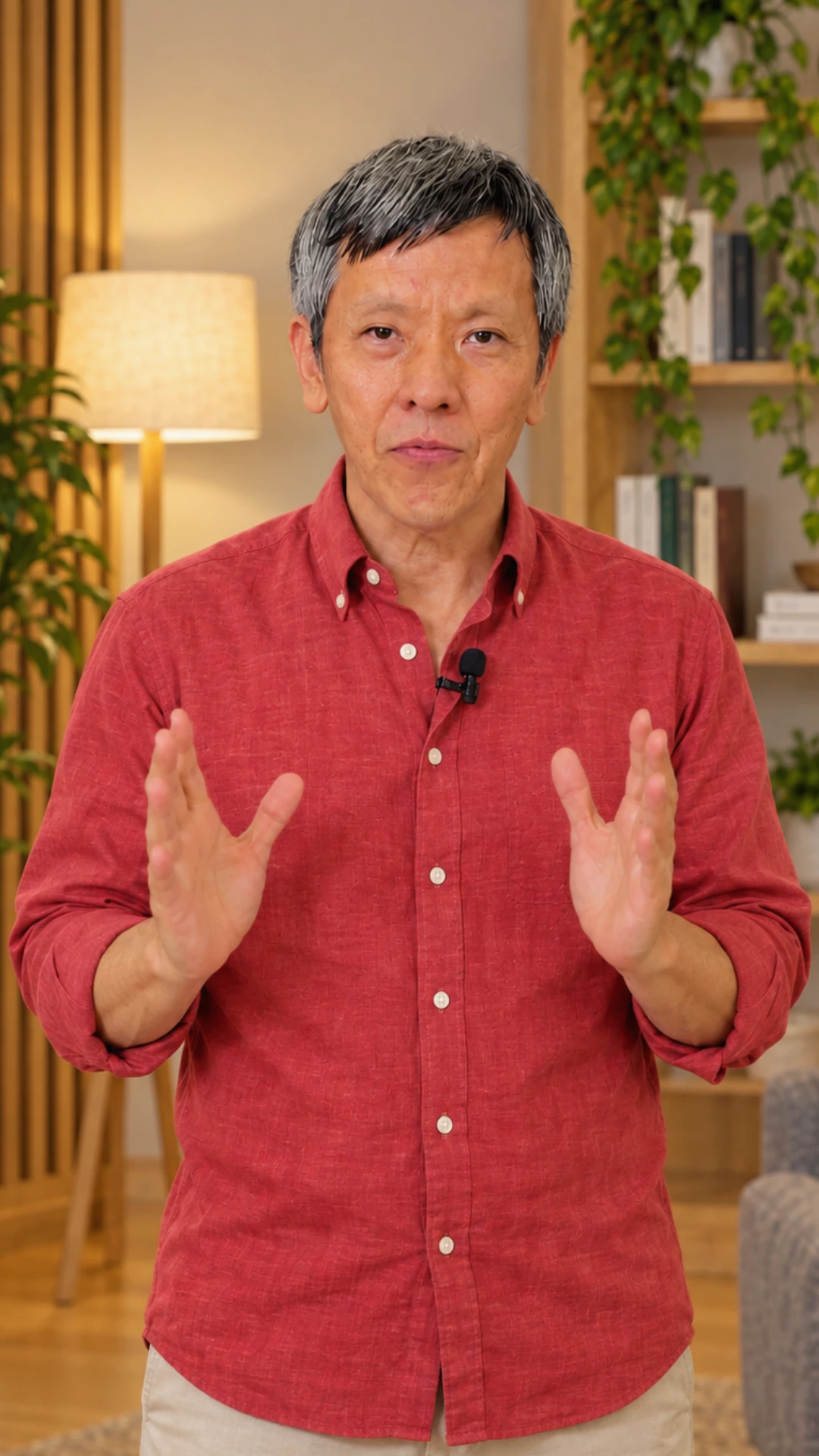
Your webinar host
Peter Chen
Founder & author, DrMind
An invitation to look within, and reflect on the purpose of the relationships in your own life.
Peter’s work centres on purpose-driven living, emotional intelligence and conscience. His approach follows an inside-out journey of self-understanding, self-transformation and self-discovery—beginning with the person we choose to be.